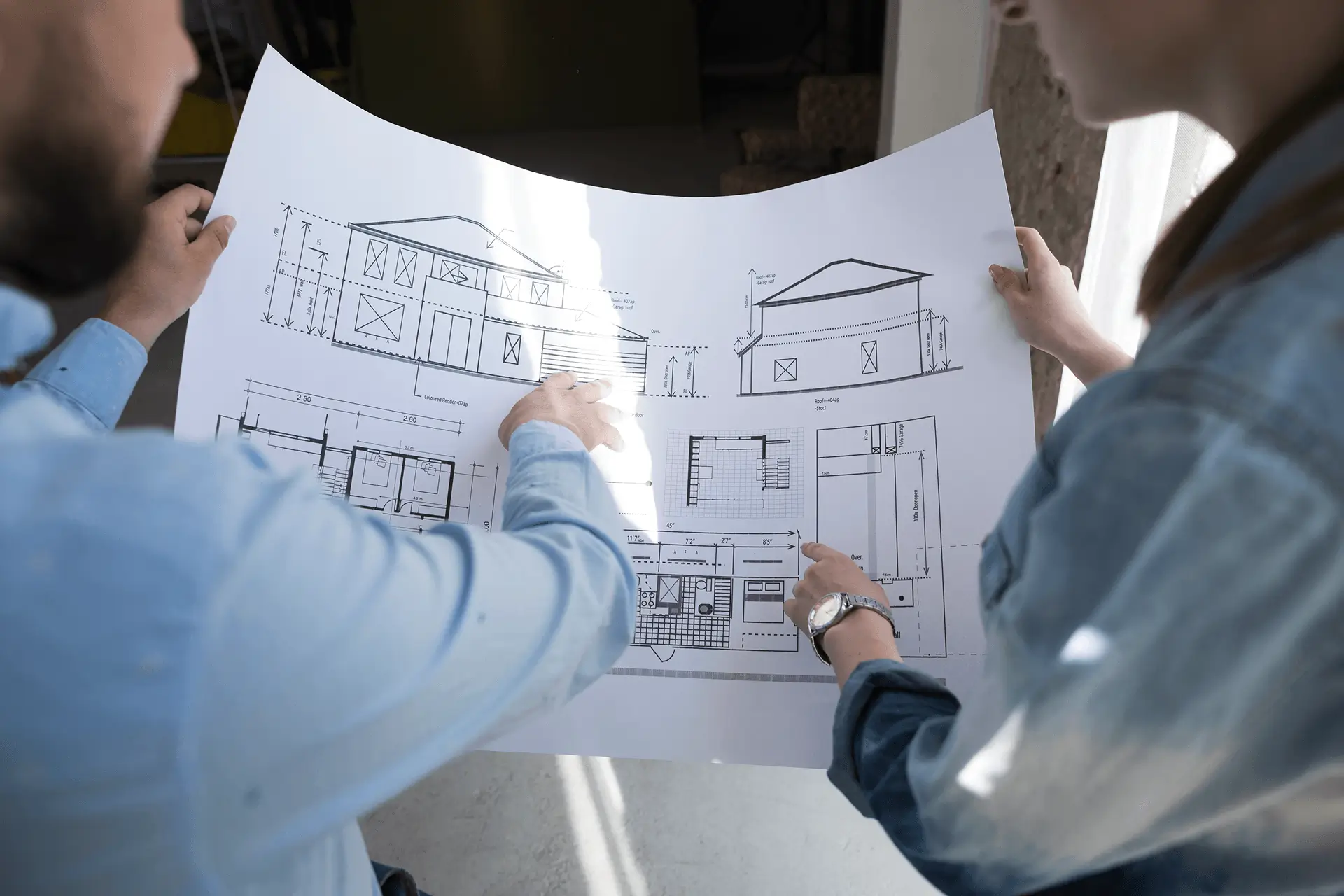
Before the work, you have to understand the ground.
Location, zoning, lot characteristics, drainage, available infrastructure and jurisdiction requirements help determine what can be built and what preparations will be needed.
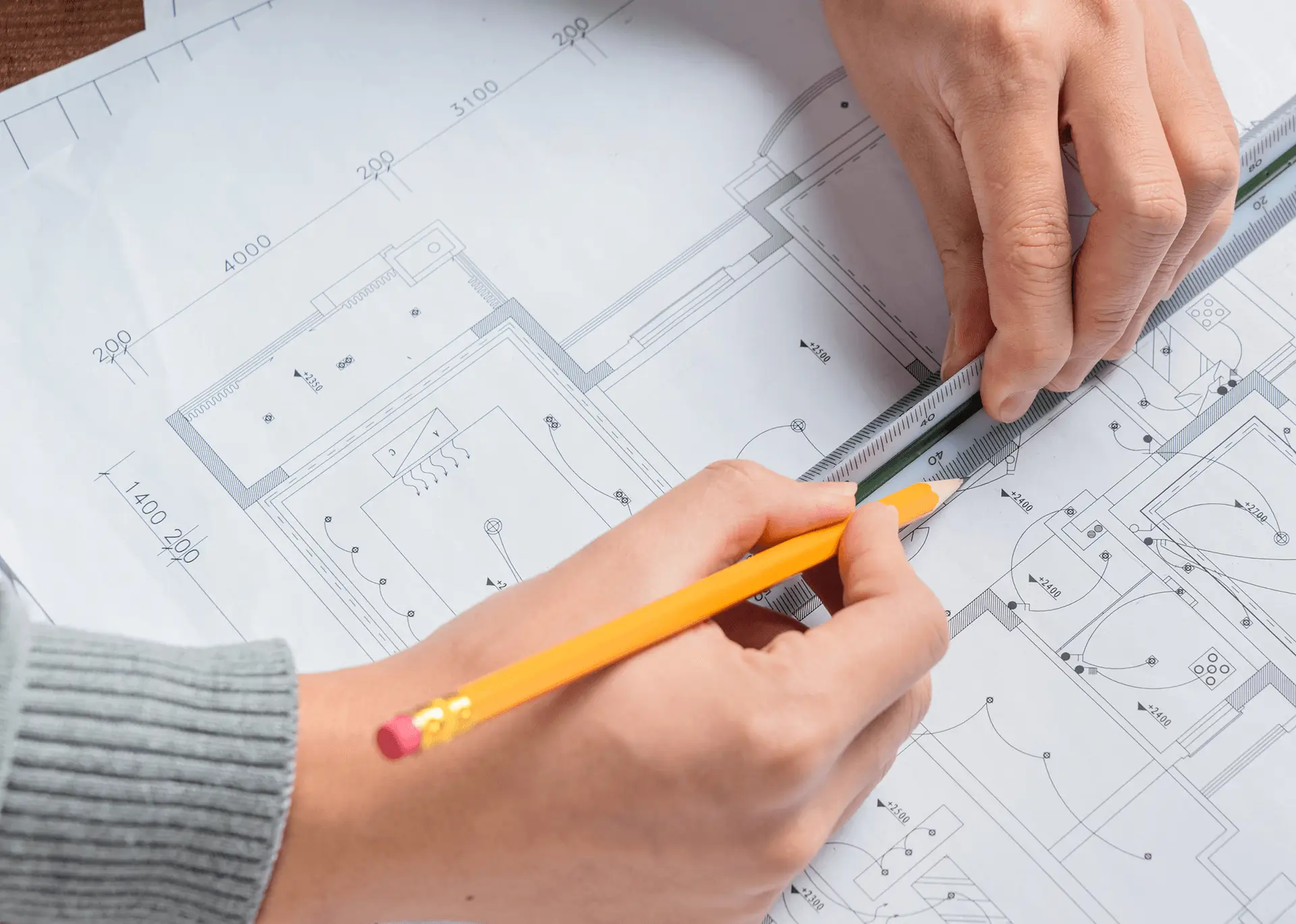
From there, projects, engineering, budget, documentation and licensing come in.
In Florida, construction needs to be authorized by the local authority responsible.
The construction permit authorises the execution of the work in accordance with approved projects and applicable codes. This stage also has a direct impact on the schedule, since certain phases can only advance after the necessary approvals.
With approvals in hand, the preparation of the land begins.
Cleaning, leveling, filling, drainage and other works leave the lot ready to receive the construction.
Then the foundation is executed, which establishes the structural base of the house.
4. Structure
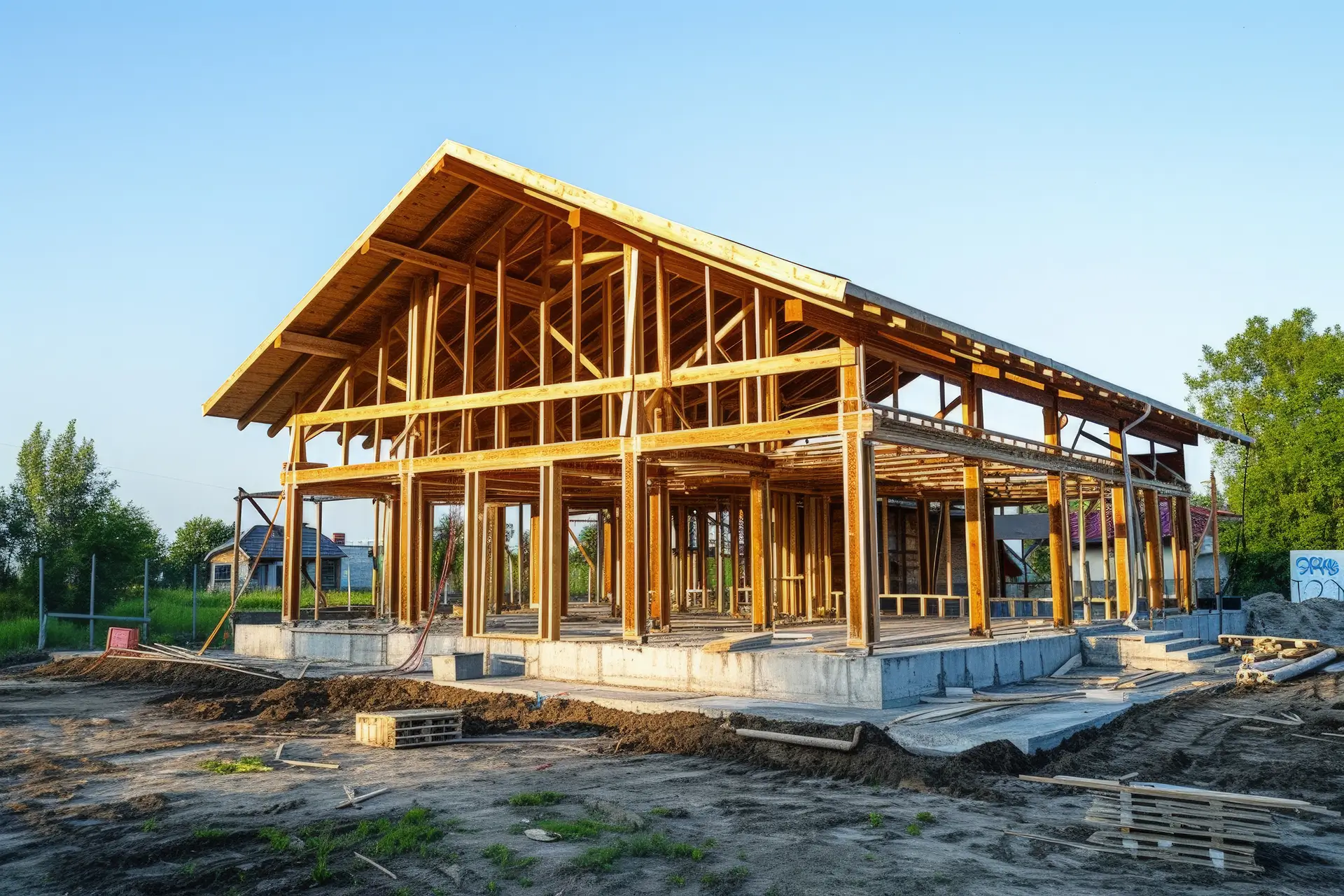
With the foundation completed, the execution of the structure begins.
Walls, blocks, roof structure and other structural elements are built in sequence. Throughout this process, inspections check different stages before parts of the structure are covered.
5. Installations and closing
With the advanced structure, the initial electrical, hydraulic and air conditioning facilities enter before closing the walls.
Then come insulation, drywall, covering, doors and windows, followed by finishes and equipment of the residence.
This phase requires coordination between different teams for each system to be installed at the right time.
6. Inspections and Certificate of Occupancy
The inspections take place throughout the construction and verify different components according to the stage of the work.
After the required steps are completed and approved, the project advances to the issue of Certificate of Occupancy (CO).
The CO confirms that the construction meets the conditions necessary for occupation according to the requirements of the local authority.
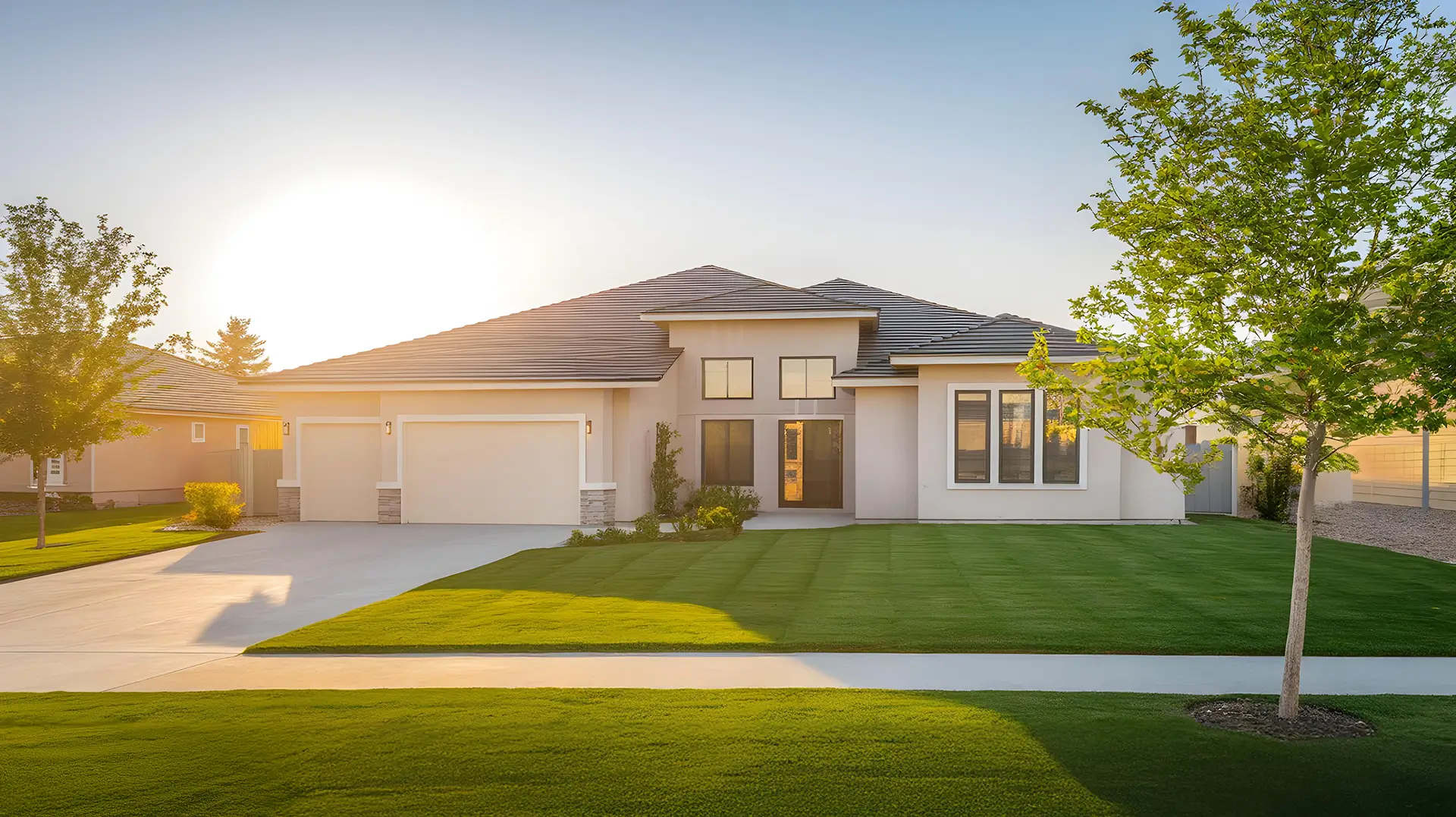
From land to CO
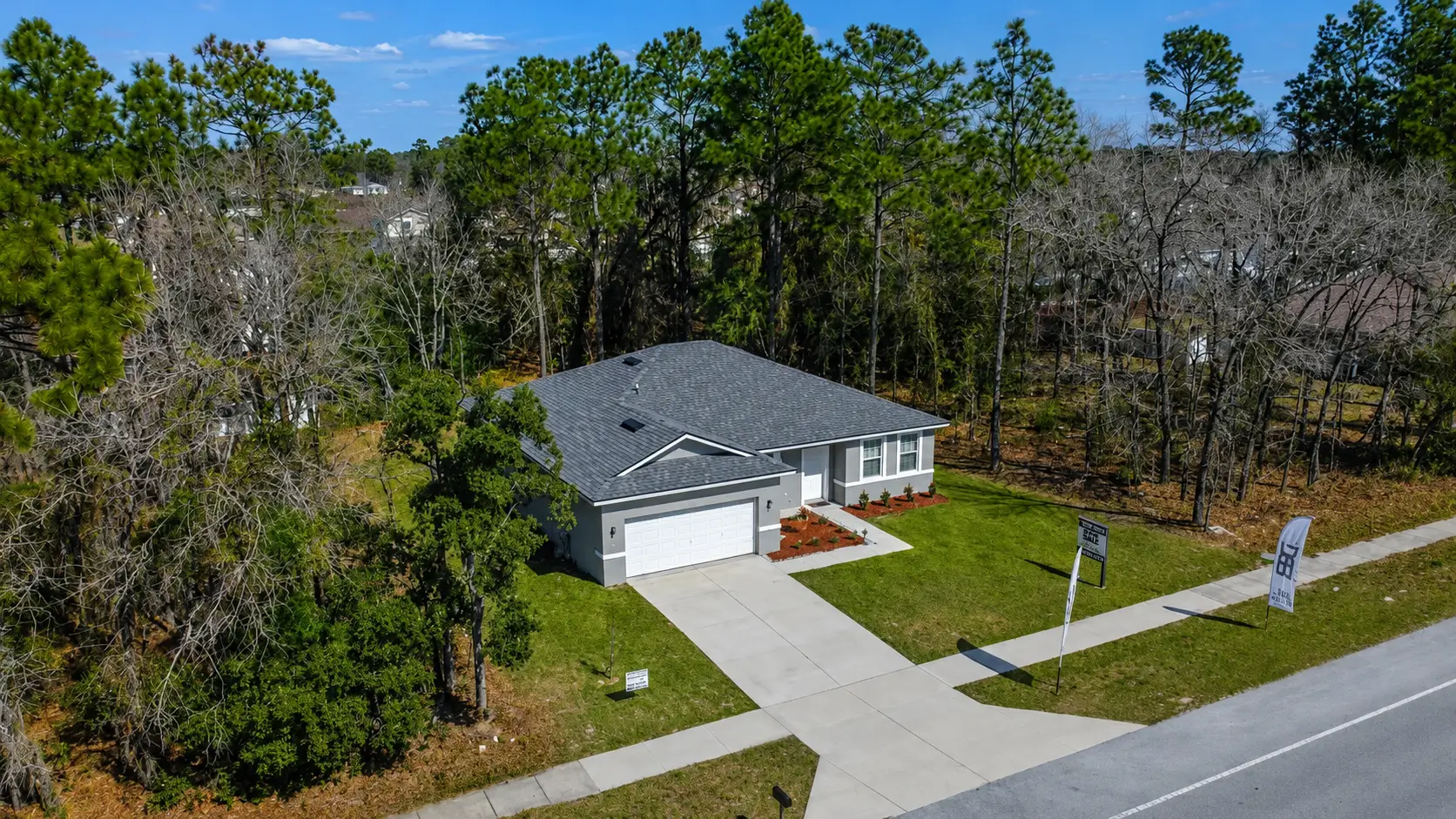
From batch analysis to house delivery, each step influences the following. Therefore, building involves much more than running a plant: it requires coordination between project, licensing, suppliers, teams, inspections and schedule.
At BBG, this process is part of our operation: from the land to the Certificate of Occupancy, each step is planned and followed until delivery.
This content is exclusively informative. The licensing, inspection and emission requirements of the Certificate of Occupancy may vary according to the jurisdiction and characteristics of each project.